
Healthy Cooking for Weight Loss
Discover evidence-based recipes, meal planning guides, and nutritional insights from our editorial team. Learn how balanced home cooking supports sustainable weight management.
The information on this site is for educational purposes only and does not constitute medical advice. Always consult a qualified healthcare professional before making health decisions.
Explore By Category
Featured Articles & Guides
Our editorial team has compiled comprehensive resources on healthy cooking techniques, balanced nutrition, and practical strategies for sustainable weight management through home-prepared meals.
Balanced Macronutrients for Weight Loss
Learn how to structure meals with the right balance of proteins, healthy fats, and complex carbohydrates to support your weight management goals while maintaining energy and satisfaction.
Weekly Meal Prep Strategies
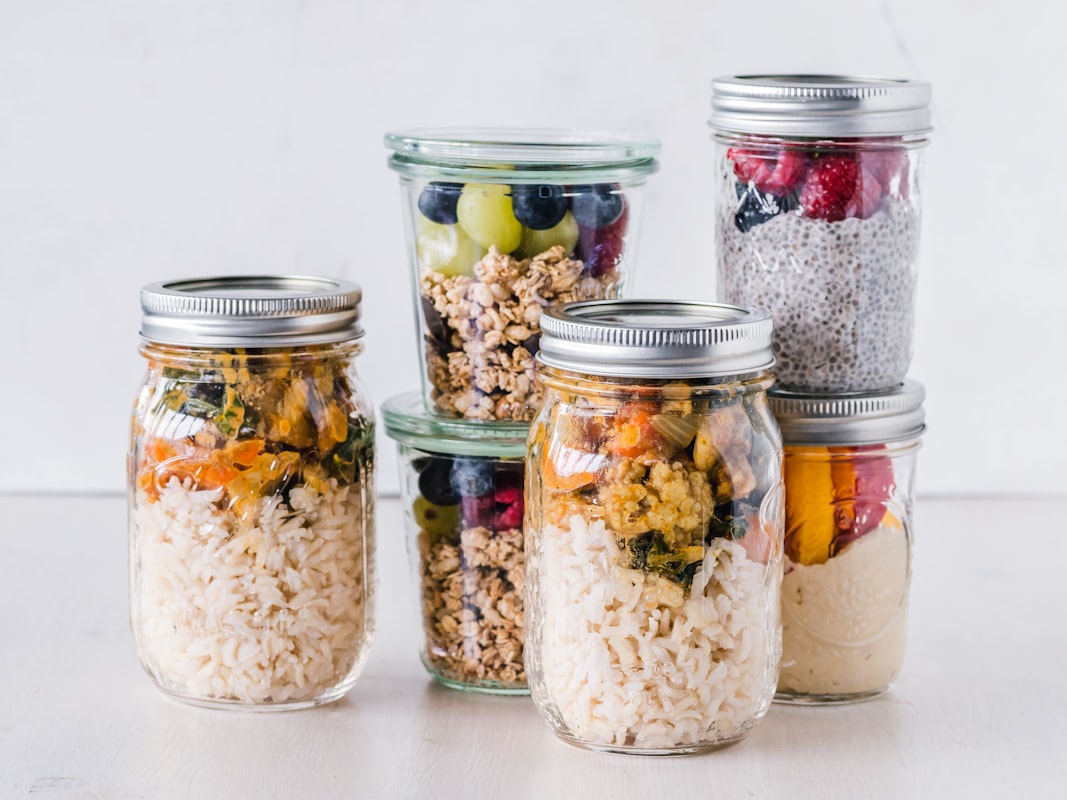
Discover practical techniques for preparing nutritious meals in advance. Learn batch cooking methods, proper storage, and how meal planning reduces impulse eating and supports consistent choices.
Flavor Without Extra Calories
Explore cooking techniques that maximize taste while keeping calorie content in check. Learn about herbs, spices, cooking methods, and ingredient swaps that enhance flavor naturally.
Complete Vegetable-Centered Meals
Discover how to build satisfying plant-based meals with adequate protein and nutrients. Learn about seasonal vegetables, legumes, whole grains, and how to create balanced meals without animal products.
Lean Proteins for Sustainable Weight Loss
Explore diverse protein sources including fish, poultry, eggs, legumes, and dairy. Understand how adequate protein intake supports satiety, muscle preservation, and metabolic health while managing calories.
30-Minute Healthy Recipes
Quick recipes don't mean nutritionally compromised meals. Learn time-saving techniques, equipment recommendations, and simple ingredient combinations that deliver balanced nutrition in under 30 minutes.
Why Home Cooking Matters for Weight Management
Preparing meals at home gives you complete control over ingredients, portions, and cooking methods. Unlike restaurant or processed foods, homemade meals allow you to understand exactly what you're consuming—calories, sodium, added sugars, and nutrients.
Research consistently shows that people who cook at home tend to consume fewer calories and maintain better nutritional balance. You can choose fresh, whole ingredients, prepare food using health-conscious techniques, and avoid hidden calories from added oils, sauces, and processed additives.
- Full Control: Know every ingredient in your meals and adjust recipes to your preferences
- Cost-Effective: Home cooking is typically less expensive than dining out or buying pre-packaged meals
- Skill Development: Build confidence and knowledge about nutrition through hands-on experience
- Consistency: Plan ahead and maintain steady, sustainable eating patterns
What You'll Learn in Our Guides
Nutritional Fundamentals
Understand macronutrients, micronutrients, fiber, hydration, and how different foods impact your body's functions and weight management goals.
Cooking Techniques
Learn healthy cooking methods like steaming, grilling, roasting, and sautéing that preserve nutrients while minimizing added fats and calories.
Practical Planning
Master meal planning, shopping strategies, kitchen organization, and time management to make healthy eating sustainable and convenient.
Recipe Development
Access tested recipes across various cuisines and dietary preferences, with clear nutritional information and step-by-step instructions.
Ingredient Selection
Learn how to choose quality whole foods, read nutrition labels, understand ingredient lists, and make informed decisions at the market.
Sustainable Habits
Build long-term eating patterns focused on balance, enjoyment, and realistic adherence rather than restrictive approaches or quick fixes.
Common Questions About Healthy Cooking
Most people can prepare a healthy meal in 20-30 minutes with basic planning and knife skills. Weekend meal prep—dedicating 2-3 hours once or twice weekly—can make weekday cooking even faster. You don't need hours in the kitchen daily; consistency and smart planning matter more than time investment.
Absolutely not. Herbs, spices, citrus, garlic, vinegars, and various cooking techniques create delicious flavors without added calories. Many traditional cuisines have naturally healthy dishes with bold, satisfying tastes. The key is using fresh, quality ingredients and learning flavor-building techniques rather than relying on added oils, butter, or sodium.
You don't need expensive gadgets. A sharp knife, cutting board, pot, pan, mixing bowls, and measuring tools are essentials. Optional but helpful: a blender for smoothies and soups, food scales for portion control, and quality baking sheets. Focus on learning proper technique with basic tools before investing in specialty equipment.
Build meals around three components: lean protein (helps you feel full longer), vegetables (high volume, low calories, nutrient-rich), and whole grains or legumes (provide sustained energy). Include healthy fats from sources like olive oil, nuts, and avocado in reasonable amounts. This structure naturally creates satisfying portions while supporting your goals.
Yes. Review menus in advance, ask how dishes are prepared, request modifications (dressing on the side, cooking methods without added oil), and be mindful of portion sizes. Dining out doesn't derail healthy habits—most restaurants can accommodate requests for grilled rather than fried preparations, extra vegetables, and lighter sauces.
Most of our recipes include nutritional information: calories, protein, fiber, and macronutrients per serving. Start by understanding your general needs (total calories, protein target), then use this information to select recipes that fit. You can also adjust recipes—use less oil, add more vegetables, or modify portion sizes to align with your personal goals.
Stories From Our Readers
"Learning to cook at home transformed my relationship with food. I used to rely on takeout, but now I prepare most meals myself. The recipes are straightforward, nutritionally balanced, and honestly taste better than restaurant food. The guides helped me understand why certain approaches work better than others."
★★★★★ — Sarah M., Zürich
"The meal prep strategies saved my life. I work long hours and always thought healthy eating meant spending hours cooking. Now I dedicate Sunday afternoon to preparing meals, and I have nutritious, delicious lunch and dinner ready throughout the week. It's made sustainable eating actually achievable."
★★★★★ — Marco T., Lugano
"I love that the recipes are practical and don't require specialty ingredients. Everything uses foods I can find at regular markets. The nutritional information is helpful for staying aware of what I'm eating, but it doesn't feel obsessive or restrictive. Cooking has become enjoyable again."
★★★★★ — Anna P., Basel
Explore More Resources
Recipe Library
Browse our complete collection of tested recipes organized by category, cooking time, and dietary preference.
Browse RecipesFrequently Asked Questions
Find answers to common questions about nutrition, cooking techniques, meal planning, and lifestyle approaches.
Read FAQsContact Our Team
Have questions or feedback about our articles? Our editorial team welcomes your inquiries and suggestions.
Send Message